
Operations
Bakery Stocktakes: Align the Count with the Transaction Cutoff
A bakery stocktake should describe the goods present at one clearly defined point in time.
A bakery stocktake should describe the goods present at one clearly defined point in time. The physical count and the transaction balance are comparable only when they use the same cutoff.
A difference does not automatically mean that products are missing. A box might have moved after its shelf was counted, with the dispatch entered later. Goods arriving after the count might also reach the application before someone compares the figures. Preparation therefore starts by agreeing the sequence of work and providing a way to record movements that continue during counting.
Define exactly what is being counted
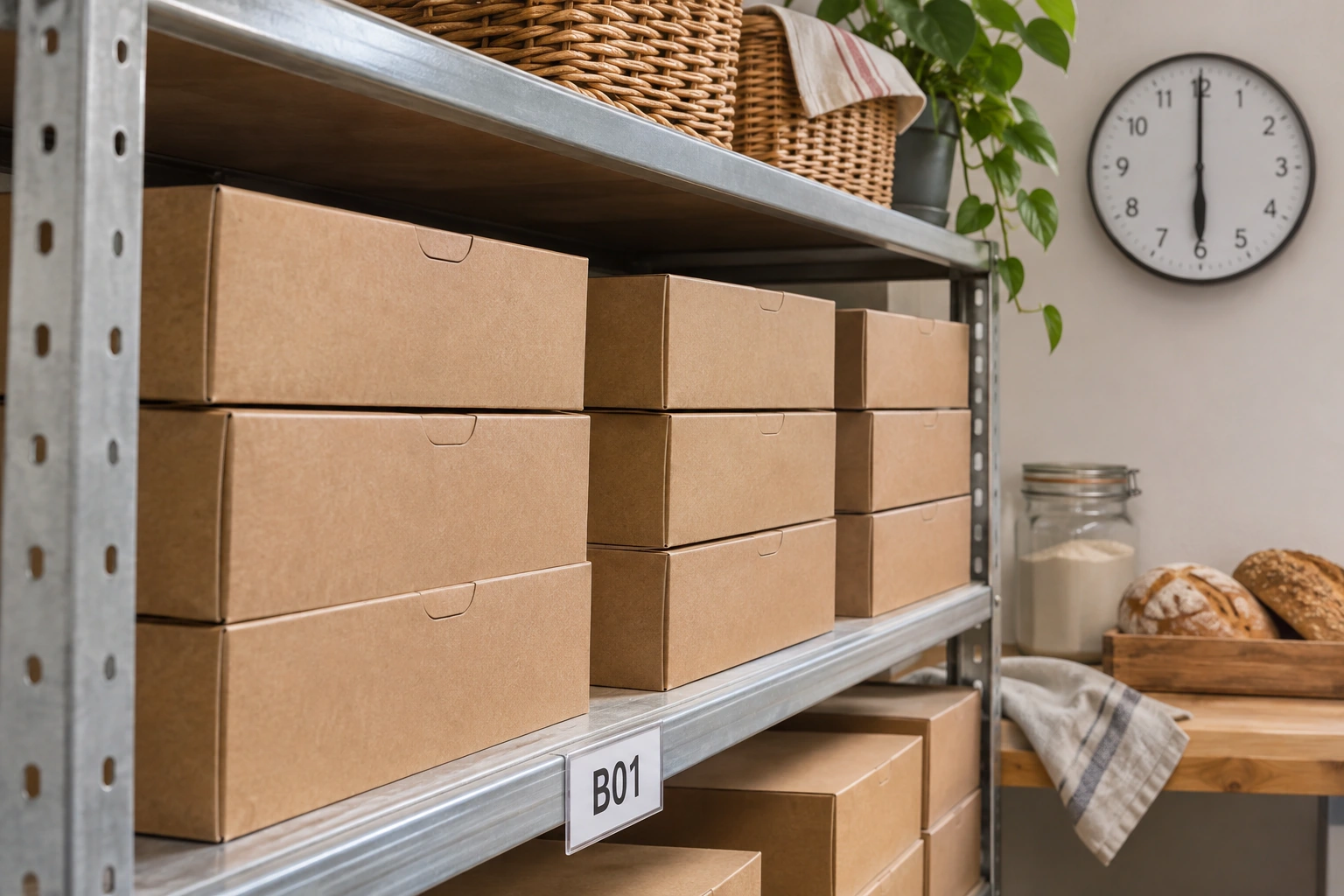
Identify the location, product group, counting unit and counting time. An outlet name alone is insufficient when goods occupy the sales shelves, a rear store and a receiving area. Give each location a recognisable label, and decide who will count it and who will review the result.
Use the product identity found in the inventory records. Where a pack contains several units, record the counting unit and its confirmed conversion. Whole boxes and loose portions should not become a single unexplained total. Goods with different ownership or handling statuses need separate notes so that the reviewer understands what each quantity includes.
Agree how to treat products prepared for an order but not yet handed over. Are they still in the counted location, or have they already moved through a recorded transaction? The operational choice can vary, but the same item needs one consistent treatment throughout the count.
Separate movements after the cutoff
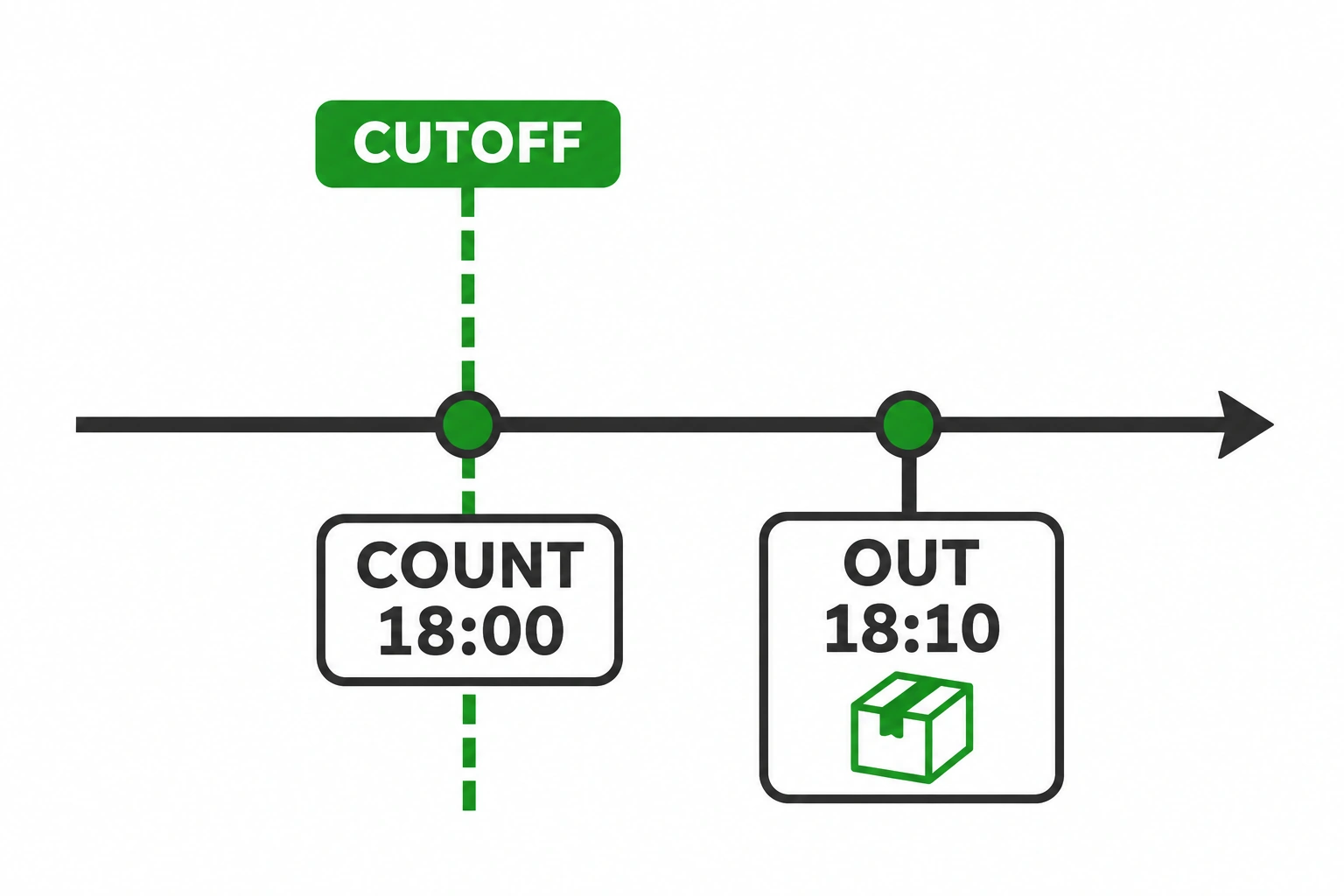
The cutoff is the time boundary used to align the count with its records. If a shelf is counted at 18:00, goods leaving at 18:10 belong to a later movement. Comparing the 18:00 count directly with a balance already including the 18:10 dispatch would mix two different states.
Where work can pause briefly, specify which locations and activities actually stop. If sales or receiving must continue, keep a movement log during the count. Record the time, product, unit, quantity, origin or destination and any available transaction reference.
This log is a temporary bridge between the events and the system of record, rather than a permanent second inventory. Mark movements once they have been matched so that nobody enters them twice. The next person should be able to distinguish goods already counted from goods that arrived afterwards, without relying on a verbal explanation from the original counter.
Count observations rather than the expected balance
The count sheet should allow staff to record what they find rather than encourage them to copy the application balance. Establish the location and product identity first, then enter the quantity observed. Open packs, goods found elsewhere and unreadable labels belong in an exception note for follow-up.
Mark completed locations to prevent missed shelves and duplicate counts. When two people work in neighbouring areas, define their boundaries before starting. A handover should identify completed and unfinished areas instead of passing along a sheet of numbers with no indication of its status.
Hold any uncertain identification until it can be resolved. Combining two similar-looking products can hide differences in both. A label photograph can assist internal tracing where taking and using it is appropriate to the work. It should clarify the product identity, rather than replace a readable identification in the count record.
Investigate before adjusting the balance
First align the figures to the same time, then investigate differences by product and location. Check units, unrecorded transactions, transfers, other storage locations and possible double counting. Arrange a recount when the original observation is uncertain, retaining the reviewer and the later result.
Odoo’s inventory documentation distinguishes the counted quantity from applying an adjustment. That separation is useful operationally: discovering a difference is not the same decision as authorising a balance change.
If an unentered transaction caused the discrepancy, correct the source record through the applicable process. Where an adjustment is genuinely needed, retain its reason and approval reference. One generic explanation for every difference removes the information needed to prevent the same problem from recurring.
Trace one event from beginning to end
Take one product with a discrepancy and follow its latest movement. Goods might have been prepared for a transfer before the shelf count, while the transfer entry was created afterwards. The reviewer needs to establish whether the container remained in the origin count or was counted elsewhere. Adjusting the balance without answering that question can duplicate a correction.
Use transaction references and event times to reconstruct the sequence, then compare it with the count sheet. If the timing remains uncertain, leave an explicit open exception. A visible evidence gap is more useful than a tidy closing figure with no defensible explanation.
Close with an exception list
A closing summary can bring together the count, comparison balance, movements during counting, identified causes and follow-up decisions. Separate resolved items from cases still awaiting a document or confirmation. Give every remaining exception a named owner so that unfinished work does not disappear when ordinary trading resumes.
Keep the original counting time even if the review finishes the next day. The completion date and the time represented by the count serve different purposes. Retaining both makes the sequence understandable without suggesting that all the work happened at once.
Between stocktakes, maintain a useful record of product use by shift. The next count will be easier to explain when routine transactions already have traceable reasons, units and locations.