
Procurement
Reconciling Delivery Notes with a B2B Bakery Order
Match order references, product names, units, partial deliveries, and discrepancy records so bakery receiving paperwork remains traceable.
A bakery delivery can arrive with what looks like the right number of cartons without matching the agreed order. One document might count boxes while another counts individual pieces. Some orders also arrive in several stages. Reconciling the delivery note helps a team identify what has arrived, what remains outstanding, and which differences require confirmation.
This is an administrative check. Product condition still follows the agreed acceptance criteria. Matching quantities does not establish quality, and good condition does not resolve a quantity shortage. Keeping these decisions separate makes the receiving record easier to understand.
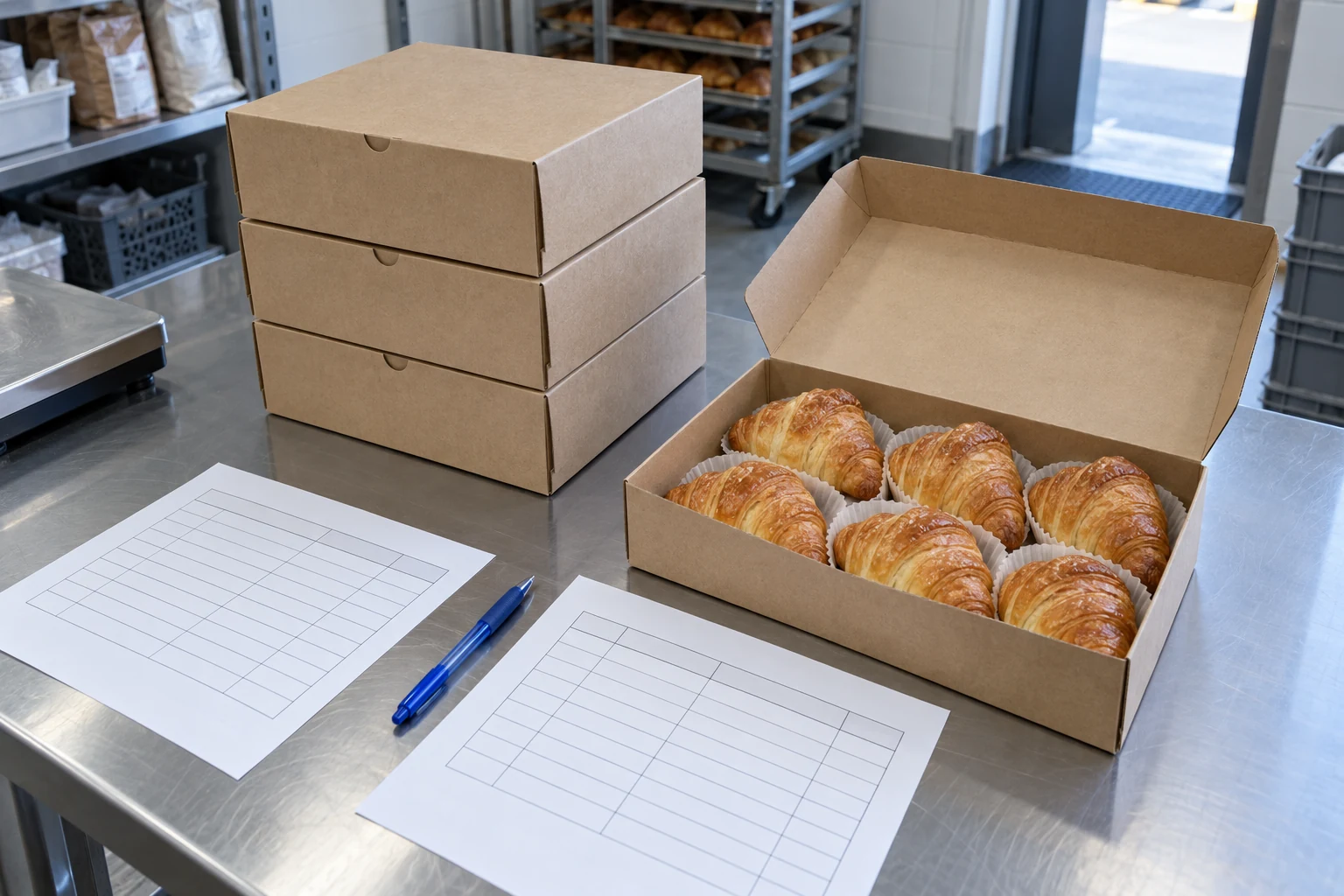
Start with the current approved order
Prepare the latest approved order summary rather than a screenshot from before a revision. Record its reference, required date, receiving location, and approving contact. Where a business uses purchase orders, the PO number connects the buying request to the delivery paperwork.
Order changes sometimes arrive in a short message. Check that they were incorporated into the final summary. For example, an order may increase from eight croissant boxes to ten while the original document still says eight. The receiving team needs to know whether the additional two boxes were approved. It should not have to decide independently that the supplier delivered too much.
Keep one accessible version for the person receiving the goods. That person should not need to reconstruct the decision from several disconnected conversations while a delivery is waiting.
Match product names and units line by line
Read each line using the agreed product name, variant, size, and unit. A short description such as “mixed pastry” can make reconciliation difficult when the order actually distinguishes several products. Use the names established in the brief or reference catalog.
Clarify units before comparing quantities. In a fictional example, an order calls for four boxes containing six pieces each, and the delivery note records 24 pieces. These quantities match only if the contents per box were confirmed. Do not convert units using an assumption from a previous delivery when the packaging has changed.
For repeat orders, add separate order-unit and delivery-unit columns to the internal record. This helps the next receiving colleague understand the calculation without asking the same question again or interpreting an unexplained total.
Separate today’s delivery from the whole order
Partially delivered orders need a cumulative record. Suppose an order contains 60 boxes, with 36 arriving today and 24 still outstanding. Today’s record must show 36 as this delivery’s quantity rather than marking the entire order complete.
Use four simple columns: quantity ordered, quantity previously received, quantity received now, and quantity still outstanding. Date each receiving entry. If each stage has a separate delivery note, connect all those references to the same order.
An outstanding balance does not automatically indicate delay. Staged deliveries may have been agreed in advance. Write a status supported by the available evidence: “second stage awaiting the confirmed date” communicates more than an unexplained “24 short.” If the timing is uncertain, request confirmation before promising stock to an outlet or changing its operating plan.
Record discrepancies without erasing the history
When figures differ, record the requested quantity, the quantity shown on the document, and the quantity actually counted. Include the time, location, and receiving contact. Photographs of documents or cartons can help where company policy permits, but they do not replace a clear numerical record.
Avoid changing the purchase order immediately just to make the figures match. Doing so can remove the original decision trail. A correction should explain its reason, approver, and the document used to resolve the difference.
A useful message might read: “PO A-017 lists 12 boxes. Delivery note SJ-042 also lists 12; our initial receiving count is 11. Please help us reconcile the product line and dispatched quantity.” This describes a checkable discrepancy without assigning a cause before evidence is available.
Make the record understandable to another colleague
A summary line can contain the PO and delivery-note references, product name, unit, documented quantity, actual count, and follow-up status. Do not use a comments field instead of identifying the documents. “Already discussed” is difficult to trace unless it refers to a specific conversation or decision.
Consider two delivery notes arriving for the same order on different days. Record them as separate receipts and then show their total. If one note is cancelled and replaced, retain that relationship according to company recording rules. A colleague reviewing the order next week needs to know which document applies.
Check that copies are readable, too. A cropped reference number or incomplete sheet can delay reconciliation even when the product count is correct. Request a clear copy while the information is still easy to obtain.
Decide who closes the reconciliation
Receiving, purchasing, and administration may have different responsibilities. Receiving counts the delivery, purchasing confirms legitimate revisions, and administration connects the documents after a discrepancy is resolved. Specify who can declare the order complete.
The final record should identify the order, related delivery notes, final quantity, discrepancy status, and resolution date. An unresolved question remains open with a named owner. An unexplained tick is insufficient because another colleague may interpret it as confirmation that every outstanding issue has been settled.
After several deliveries, look for recurring patterns. Are descriptions too short, carton contents changing, or revisions failing to reach the receiving team? Improve those details in the next order. When discussing supply with ASA Group, start with an actionable B2B brief and include units, locations, and receiving contacts. Consistent paperwork makes each delivery easier to reconcile.